

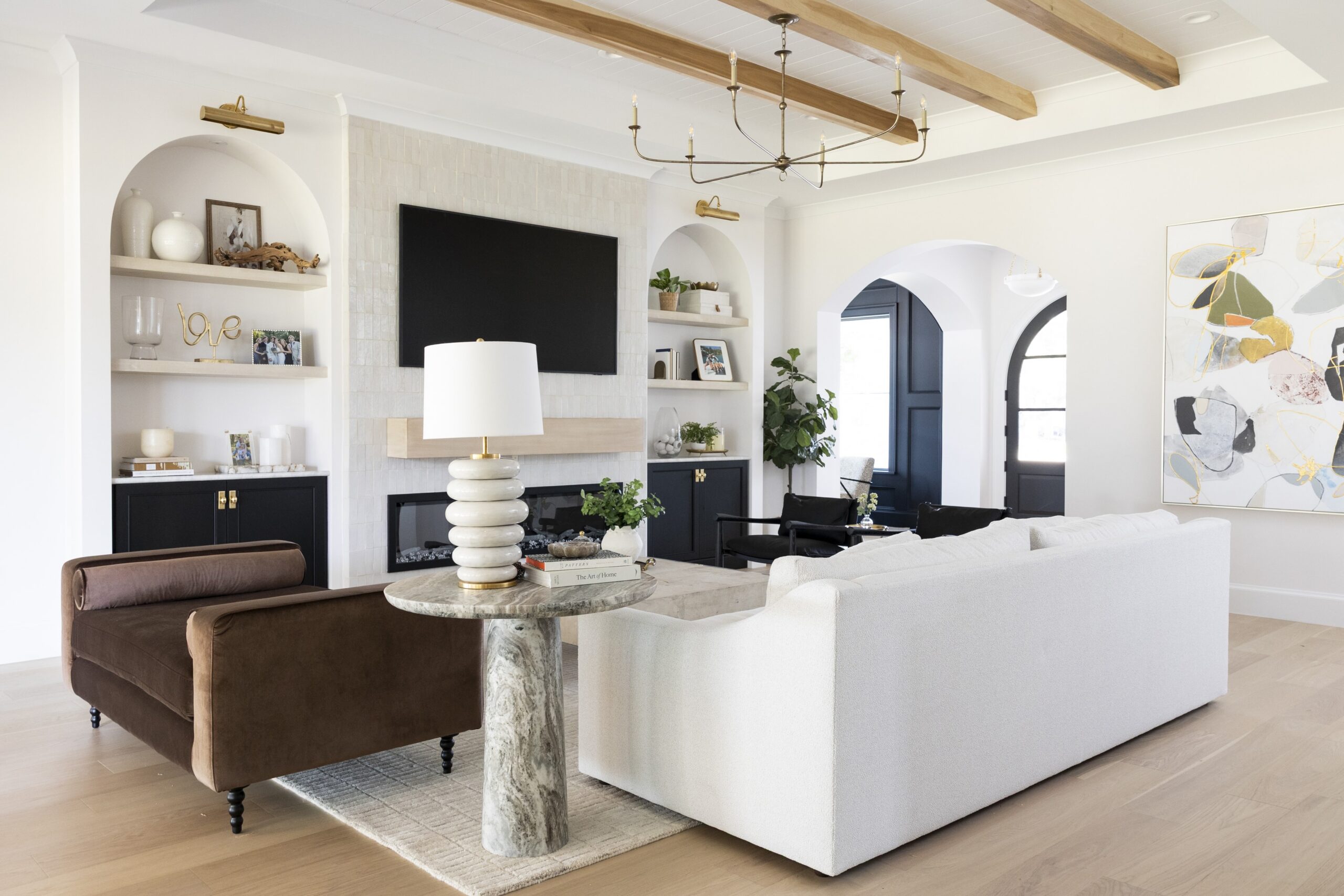
Furnishing a House Into a Home
You bought the house. Let’s turn it into a home.
You found the house, survived the paperwork, and can finally stop spending your evenings zooming in on listing photos, trying to work out whether the dining room is actually that large or whether the photographer has performed a small miracle.
There was something about this one that felt right. Maybe it was the light, the neighborhood, or the way you could picture your family settling into it, and now that the keys are yours, you’re ready for that picture to become real.
Except the furniture arrives, the boxes gradually disappear, and somehow the rooms still don’t feel quite how you imagined.
The sofa that worked beautifully in your previous home looks a little lost here, while the dining table fits but doesn’t seem to do much for the room. Somewhere along the way, you start wondering whether another lamp might help, which is how a perfectly reasonable person ends up researching lamps at 11:30 p.m. with no idea what size they need.
This is the part of creating a home that can be surprisingly difficult. You know what you like, and you may already own beautiful things, but bringing everything together requires decisions that are hard to make one shopping cart at a time.
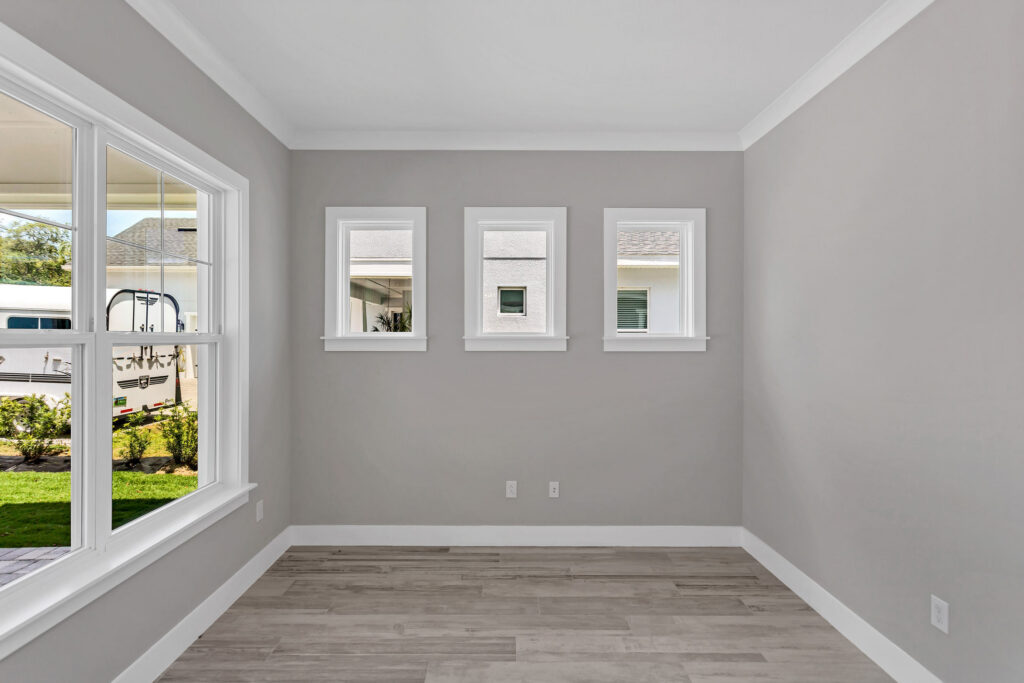
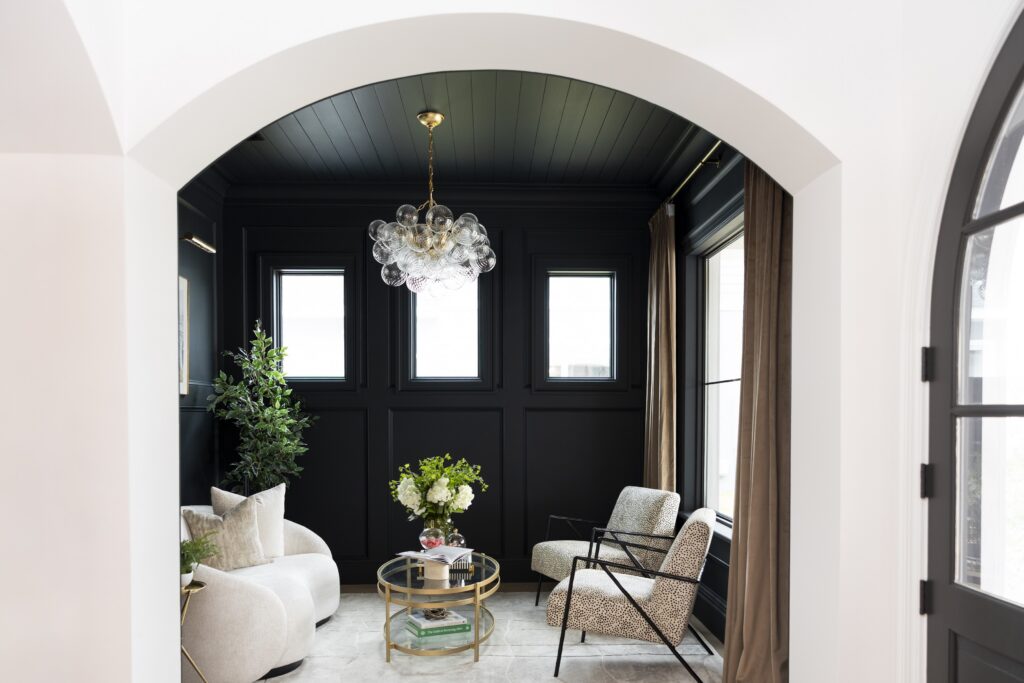
Buying the house gives us somewhere to begin
When I look at an unfurnished room, I’m already thinking about how I want someone to feel when they walk into it, where they’ll naturally sit, and what will make them want to stay.
That starts well before I’ve found a particular chair.
My own home, is a personal way to share that process. Looking at the before-and-afters gives you a sense of the possibility within a space, but the interesting part is understanding the decisions between those two photographs.
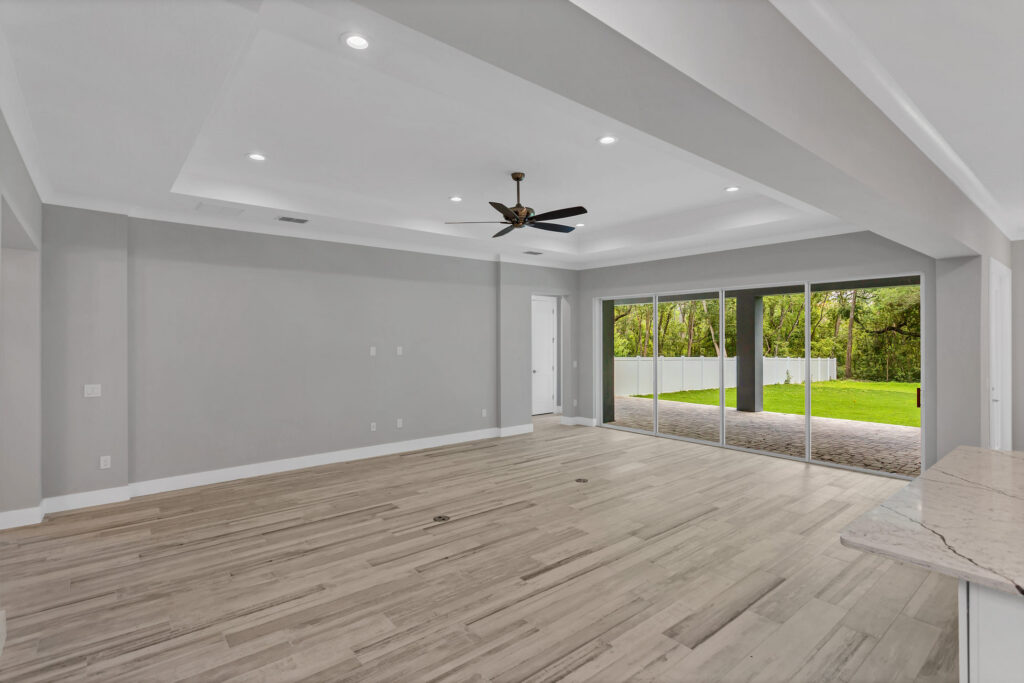
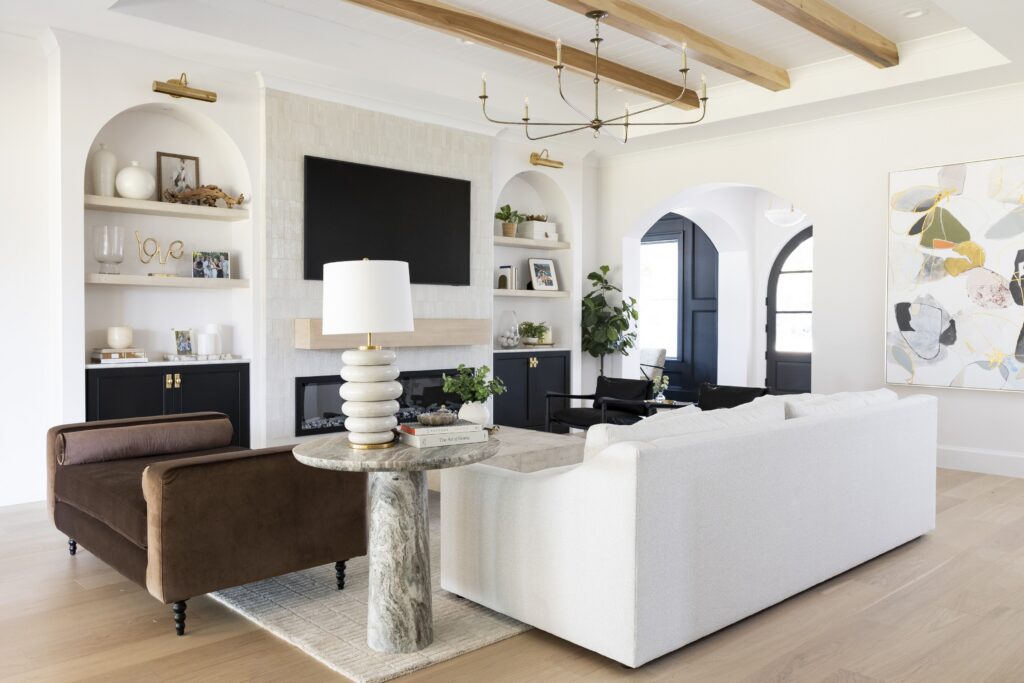
For me, designing our home meant considering what I wanted to look at alongside what I wanted to live with. Having children hasn’t made me any less interested in beautiful upholstery or a really good light fixture; it has made me more particular about whether those choices make sense for the room we’re putting them in.
A home should feel personal enough that you recognize yourself in it, even before the family photographs go up. That feeling develops through the selections, the way they relate to one another, and the care taken to make them work for you.
The layers are doing more than you think
Once the main furniture is in place, it’s tempting to consider the rest something you’ll get around to eventually. Window treatments can wait, the art can move over from the old house, and surely the overhead lighting will be sufficient until we find lamps.
Then eventually becomes two years, and you’re still describing the room to guests as “not quite finished.”
Those remaining decisions have a considerable effect on how the space feels.
The power of selections
Window treatments introduce softness and help frame the architecture, while art brings color, scale, and something personal into the room. Lighting changes the experience again, especially once daylight fades and you want the house to feel comfortable in the evening.
A room can contain all the furniture it needs and still feel a little bare because those layers haven’t been considered. Equally, adding more accessories won’t necessarily help if the proportions of the main pieces were never quite right.
The aim is to reach a point where the room feels settled, with enough personality to be interesting and enough breathing room for you to live in it.
I would like you to be able to put down a coffee without first relocating a carefully arranged collection of decorative objects.
In my own home, that balance matters because I experience it every day. A finished photograph captures one moment, but we still need to enjoy the room after the photographer leaves and everyone resumes their usual activities.
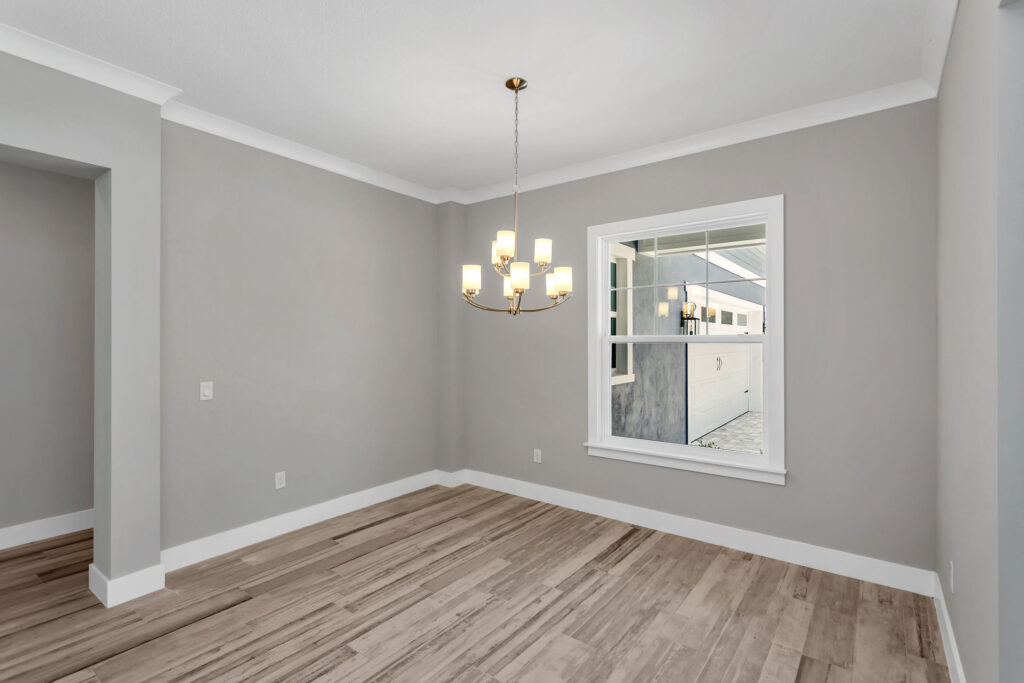
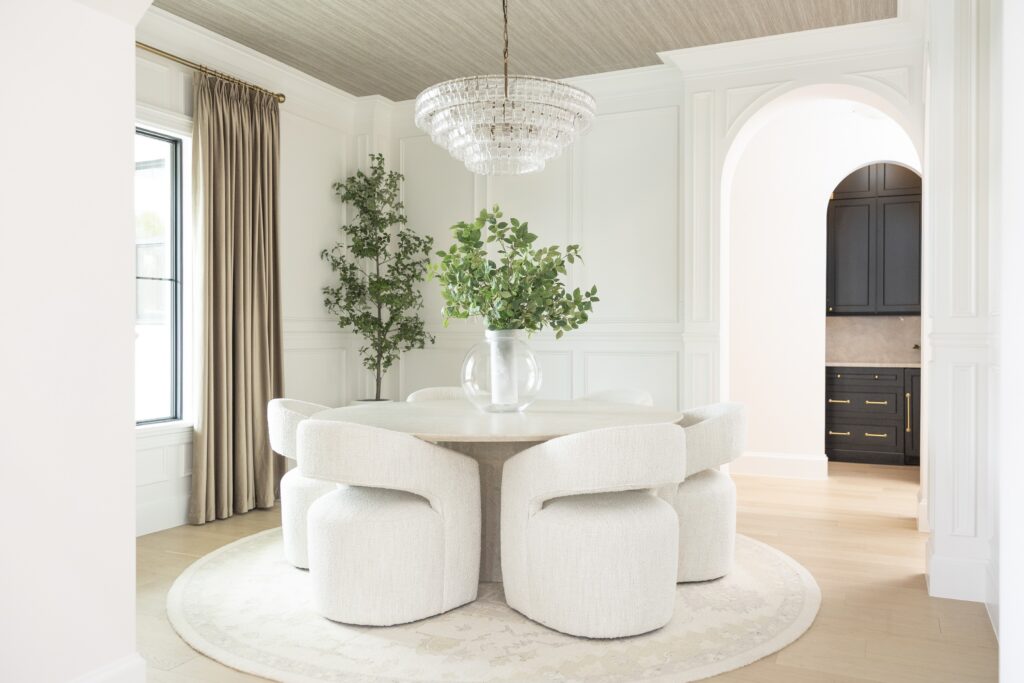
This is where a designer earns their place
Our clients are executives and established CEOs, they are more than capable of finding furniture they like. Often, they come to us with strong taste, and a clear sense of the homes they’re drawn to, but they want help turning those preferences into something complete.
That involves understanding what to retain, what to introduce, and where the investment will make the biggest difference.
Having someone consider those decisions together can save a lot of second-guessing.
Before you commit to the sofa, we’re thinking about its dimensions, upholstery, placement, and relationship to the rest of the room, along with how your family will actually use it.
There’s also value in seeing possibilities beyond the arrangement you’ve become accustomed to.
When you’ve lived with the same layout for a while, it can become surprisingly difficult to imagine anything else, even when you’re fully aware that something isn’t working.
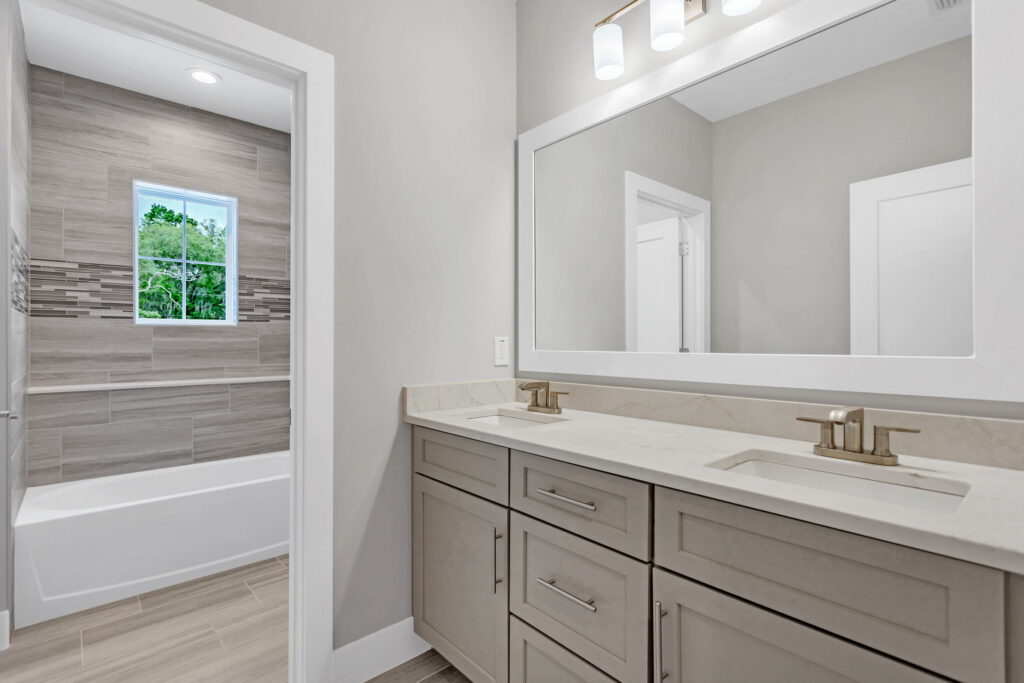
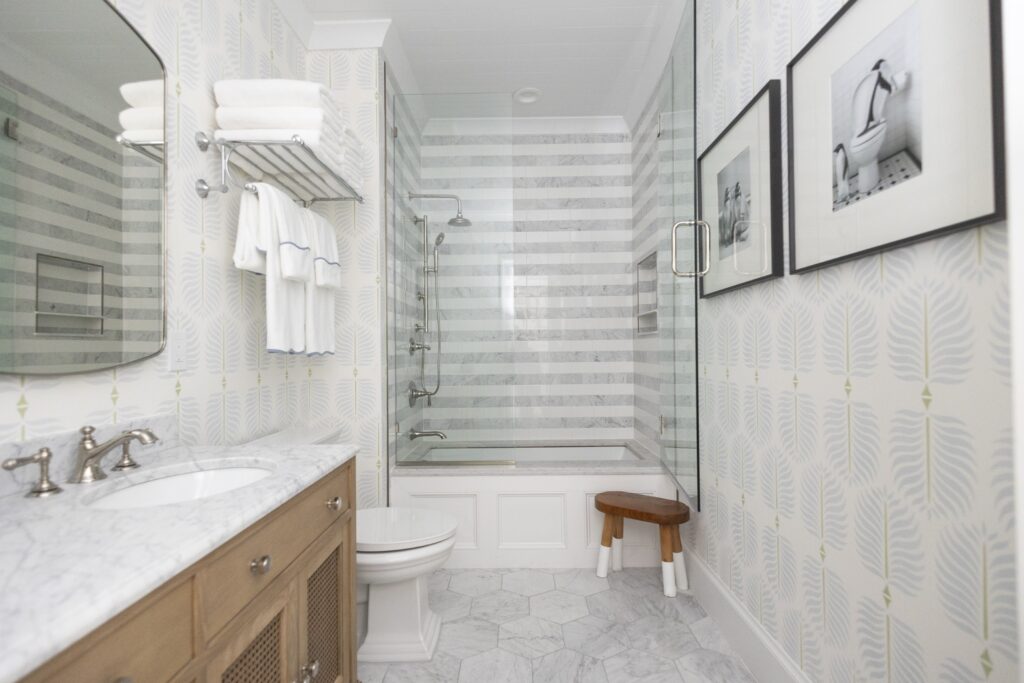
Looking back at projects, I love being able to share how much thought sits behind the finished spaces. The selections are personal, but the approach is the same one we bring to our clients: understand the home, understand the people, and develop the rooms as a connected whole.
You don’t have to wait until you’re planning a major renovation to involve a designer. Furnishing a home deserves its own attention, particularly when you’ve already invested in a place you love and want to enjoy it properly.
If you’re standing in a house you were so excited to buy, wondering how to make the rooms feel like you, explore working with Collins & Co. We’ll help you bring the furnishings, materials, and details together so you can spend more time enjoying your home, preferably with those late-night lamp tabs finally closed.
Leave a Reply
signature services


custom
new builds

virtual playbook


