

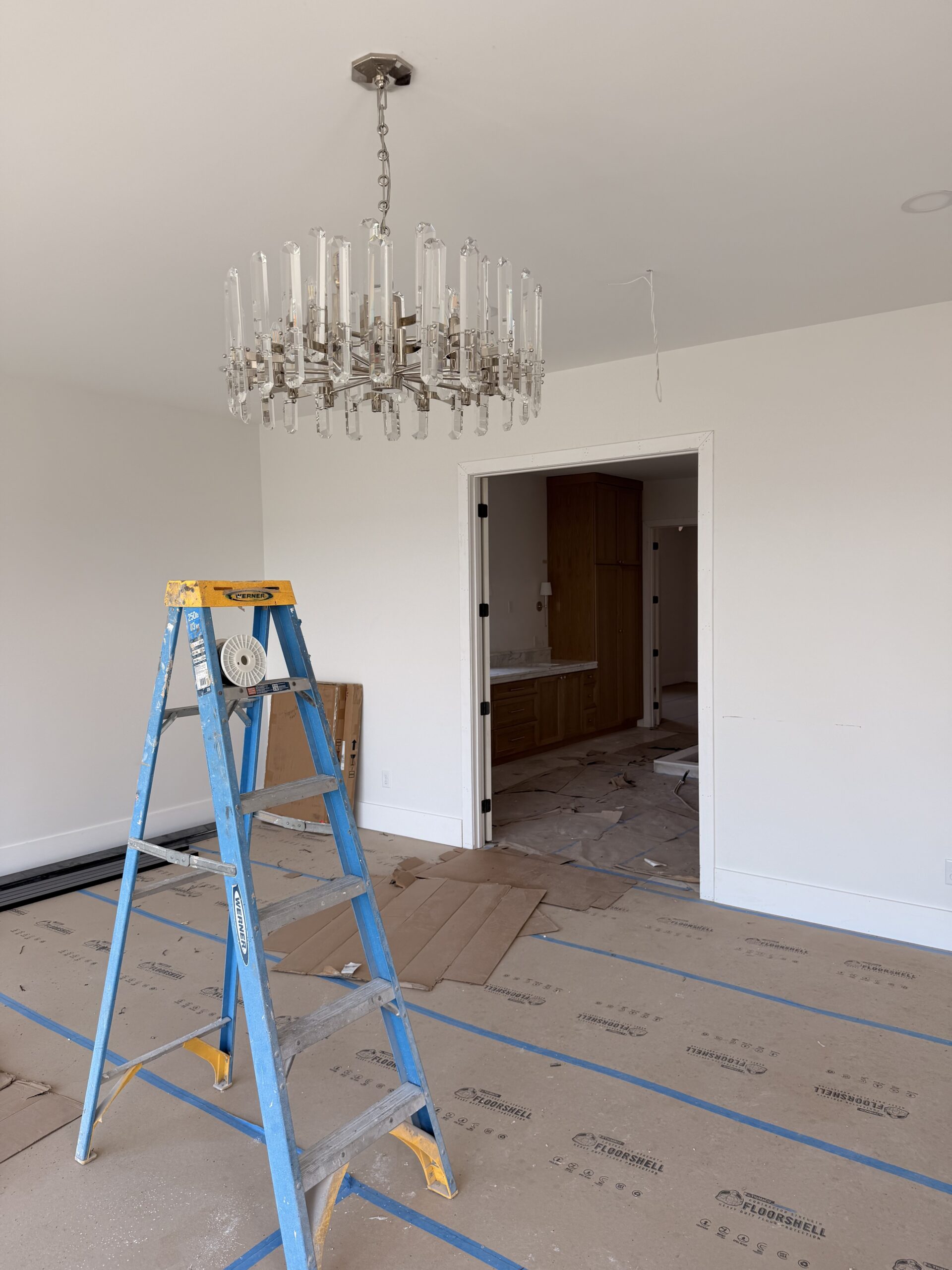
The Biggest Misconception in a New Build or Renovation
The biggest misconception in a new build or renovation?
That hiring an interior designer is an “extra” something you add at the end if there’s room in the budget.
In reality, professional design shapes every decision from the very beginning of the project, long before anyone considers furniture.
The truth is, designers aren’t just pulling selections or telling you where to place your furniture. Your designer is making hundreds of interconnected decisions that influence one another.
Your lighting affects the materials you choose, the materials influence the textures and layers… must I go on?
And without a clear roadmap, even beautiful choices can lead to a home that feels slightly off.
Here’s the hard truth, you’re probably going to end up paying for what you think you’re saving on anyway.
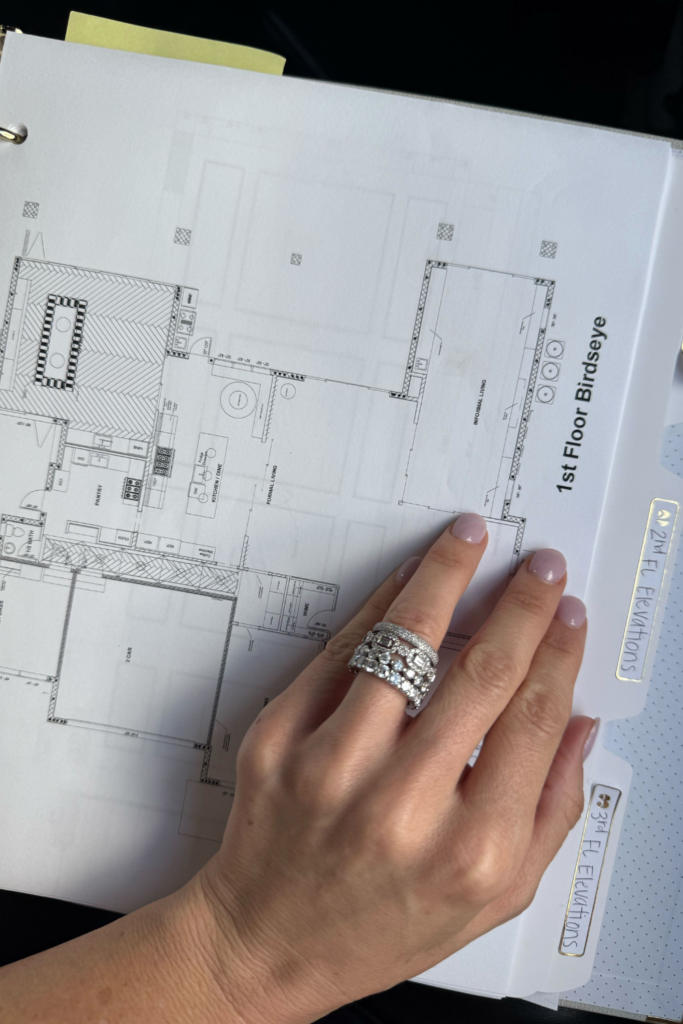
A Layout Can Look Perfect on Paper and Still Fail in Real Life
It’s true, floor plans can be deceiving.
What looks balanced in a drawing doesn’t always feel right once the walls go up and the furniture is in place.
Clearances that seemed generous suddenly feel tight and sometimes walkways that look logical interrupt natural movement.
Scale, proportion, and flow are incredibly difficult to evaluate without experience.
A designer considers how a room will function in motion, not just how it looks on a plan.
How far a chair pulls out from a table, whether an island allows enough circulation, even down to how sightlines connect rooms visually.
These details rarely show themselves until the home is already taking shape.
Beautiful Materials Don’t Automatically Create a Beautiful Home
Selecting high-end finishes doesn’t guarantee a cohesive result.
Stone, tile, flooring, cabinetry, hardware, lighting — each element may be beautiful individually, but the relationship between them is what determines whether the home feels complete.
Undertones matter more than most people expect.
A warm white can clash with a cooler marble. Metal finishes can compete rather than complement.
Without a guiding vision, even expensive selections can feel disjointed.
You might start off with luck, but that’s an expensive game to play.
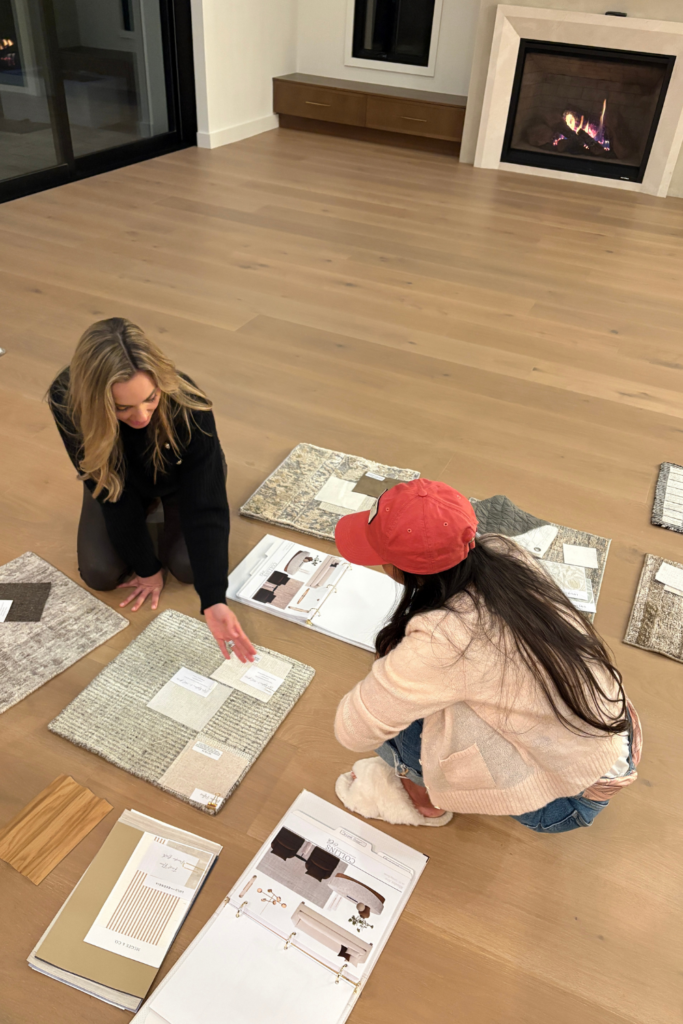
The Most Expensive Mistakes Are the Ones You Do Twice
One of the most common misconceptions is that hiring a designer adds cost.
In reality, it often protects against unnecessary spending.
• Reordering materials due to incorrect quantities.
• Adjusting electrical placement after drywall.
• Replacing furniture that doesn’t fit the scale of the room.
• Installing lighting that doesn’t provide the right coverage.
Just to name a few…
These corrections are rarely simple once construction has begun. Each revision impacts budget, timeline, and momentum.
Clarity early on prevents costly changes later.
Budgeting Without a Full Scope Creates Unnecessary Pressure
Most people plan for the obvious expenses.
Cabinetry. Countertops. Appliances. Furniture.
But the full picture includes far more.
Lighting plans, hardware, plumbing fixtures, installation costs, freight, window treatments, paint finishes, trim details… the list really does go on.
When you don’t account for these elements from the start, the budget stretches in unexpected places.
A designer maps the full scope early, helping you invest intentionally instead of reacting along the way.
Timing Matters More Than Most People Realise
The order you make decisions directly affects the construction timeline.
You often need to confirm selections weeks, sometimes months, before installation begins.
You must finalize lighting placement before the electrician completes the wiring. Plumbing fixtures influence cabinetry drawings. Tile selections affect floor preparation.
When you make decisions late or without coordination, delays begin to stack.
Contractors pause, orders shift and then lead times extend.
A structured process keeps the project moving smoothly.
Spending More Isn’t the Goal, Spending Intentionally Is
Without guidance, it’s easy to over-invest in areas that don’t impact the overall feel of the home.
A single statement piece can stand out beautifully, but overlooking foundational elements often leaves the space feeling unbalanced.
Design helps prioritise where investment makes the greatest difference.
Sometimes that means allocating more to lighting or to millwork. Sometimes to materials that age well over time.
It’s rarely about doing more, but doing the right things in the right order.
Clarity Prevents Miscommunication on Site
Construction involves many moving parts and many professionals interpreting drawings and specifications.
Even small gaps in communication can lead to details being executed differently than intended.
A tile pattern may shift slightly. A sconce may be mounted at a different height. A cabinet detail may be simplified on site.
Without clear documentation and oversight, these small changes accumulate.
Design provides direction that allows trades to execute confidently and accurately.
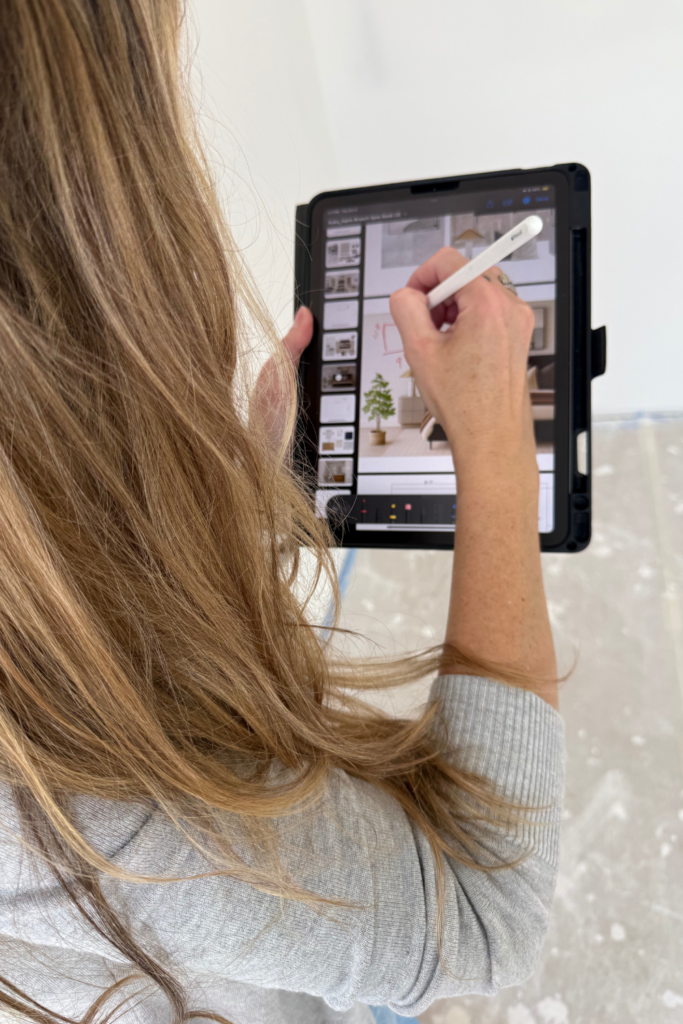
Design Shapes the Experience, Not Just the Outcome
If you’re investing in your home, the process should feel as considered as the result.
The decisions made during a build or renovation shape how the home functions for years to come.
How easily the space flows, feels comfortable it feels to live in and how it naturally supports daily routines.
Having the right guidance doesn’t just elevate the finished home.
It changes the entire experience of creating it.
If you’re planning a new build or renovation and want the process to feel intentional from the very beginning, that’s exactly where I come in.
I guide each decision so your home feels cohesive, functional, and thoughtfully designed long before the final pieces are installed.
If you’re ready to approach your project with clarity instead of guesswork, I’d love to help.
Design Is the Foundation of a Well-Built Home
At Collins & Co. Interiors, we believe the most successful homes begin with thoughtful planning. Our full-service process ensures each decision is made in context, creating spaces that feel cohesive, functional, and timeless.
Leave a Reply
signature services


custom
new builds

virtual playbook


