

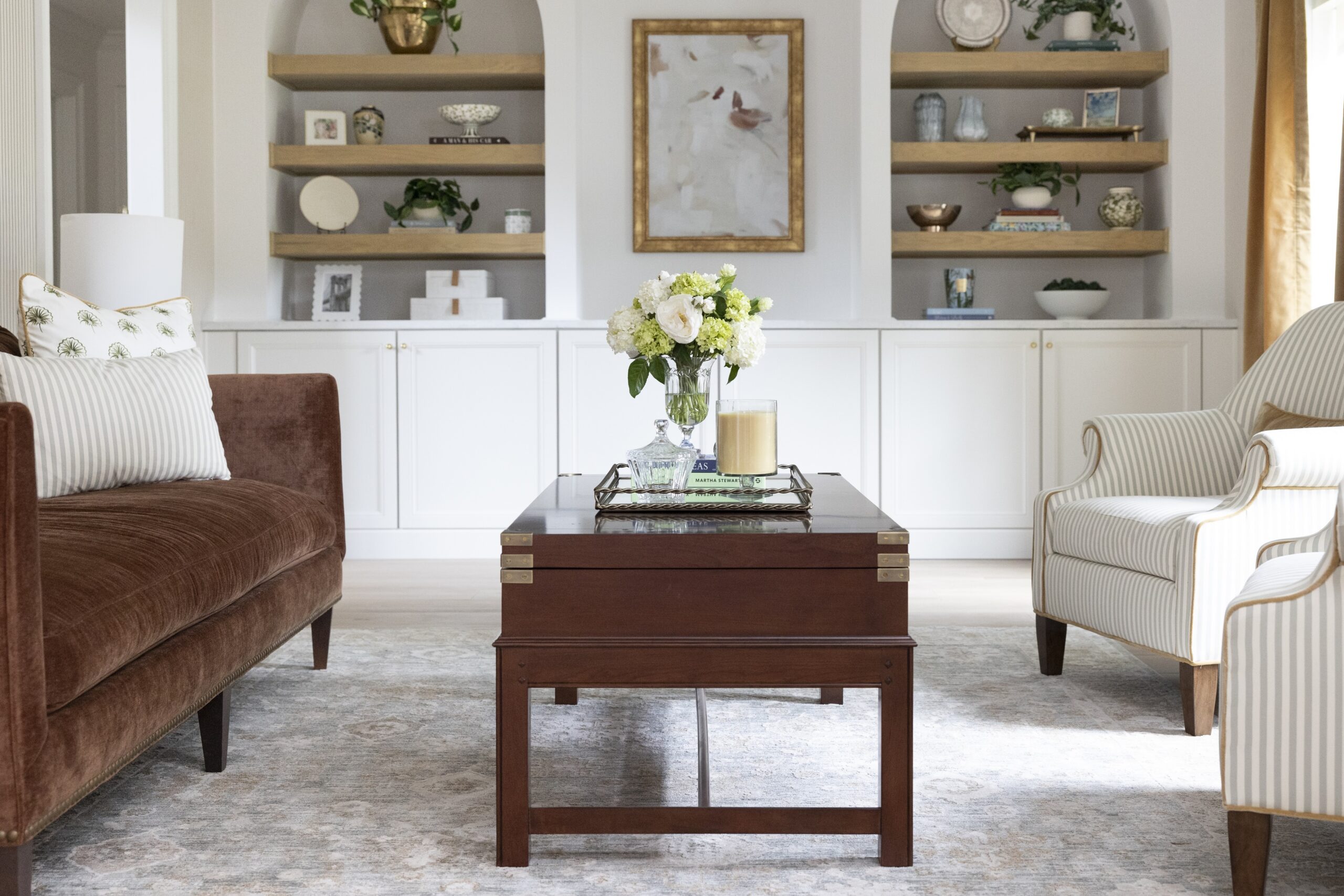
Why We Don’t Share Our Sources
June 28, 2026
It’s probably one of the questions I get asked most often.
“Can you share the link?”
Social media has completely changed the way we experience design. Years ago, most people gathered inspiration from magazines, model homes, or the occasional house tour. Today, we have access to beautifully designed spaces from all over the world, often with a single scroll of our phone. When something catches your eye, it’s only natural to want to know where it came from.
But over the years, I’ve realised something interesting.
Most people think they’re asking about a product when they’re actually responding to a feeling.
As someone with a background in Psychology and Sociology, I’ve always been curious about why certain spaces stay with us long after we’ve left them. Long before I became an interior designer, I found myself paying attention to the way environments influenced people. Some homes immediately feel at ease without fully understanding why.
When people save an image online, they rarely save it because of one specific item. They save it because something about the room resonates with them. The challenge is that our brains often try to simplify that feeling.
Instead of recognising that dozens of thoughtful decisions created the atmosphere, we look for a single answer. We assume it must be the paint colour, the light fixture, or the sofa that made everything work. If we can identify the right source, surely we can recreate the same result.
The reality is far more nuanced than that.
A beautiful home isn’t created by collecting beautiful things. If it were, anyone with a Pinterest board and a credit card could create a cohesive home. What makes a space successful is the relationship between the decisions. The architecture influences the furniture. The furniture influences how a room functions. The lighting affects how materials appear throughout the day. The scale of one piece changes the way another piece feels beside it.
Every decision contributes to the overall experience.
I was reminded of this in a very personal way when I designed my own home.
By the time we purchased our semi-custom spec home, the builder had already finalized many of the major decisions. The floor plan was set, structural changes weren’t an option, and the builder had already selected the exterior elevations. In many ways, another family could have purchased the exact same house and created a completely different outcome.
That project reinforced something I had been telling clients for years.
Design is rarely about one extraordinary decision. More often, it’s about making hundreds of thoughtful decisions that support one another. The finished result doesn’t come from a single product. It comes from understanding how everything works together.
The house itself wasn’t what made the difference.
The decisions did.
The clients who work with us understand this instinctively. Many of them are successful professionals, business owners, executives, and entrepreneurs. They are more than capable of finding beautiful products on their own. In fact, most of them already have excellent taste.
What they are looking for isn’t access to products.
They’re looking for guidance.
They want someone to help them navigate the endless number of decisions that come with building, or renovating a home. They want someone who can step back, see the bigger picture, and make sure every decision supports the same vision.
In many ways, our role isn’t to find more options. Our role is to edit.
Some of the most important decisions we make never appear in a final reveal. They happen when we choose not to use a particular piece, when we walk away from a trend that won’t age well, or when we simplify something that feels overly complicated. Good design requires restraint just as much as creativity.
This is why sharing sources has never felt quite as straightforward as people imagine.
A source can tell you where something came from, but it cannot explain why my team and I chose it. It cannot tell you about the conversations we had beforehand, the alternatives we explored, or the role that piece plays within the overall vision for the home.
More importantly, it cannot tell the story of the family who inspired every decision behind it.
Every project we take on belongs to real people. Families who host holidays, raise children, welcome grandchildren, celebrate milestones, and create memories within those walls. Their routines, priorities, and aspirations shape every decision we make. What works beautifully for one family may make very little sense for another.
When people ask why we don’t share our sources, the answer has very little to do with secrecy.
Instead, it comes down to respecting the creative process, protecting the individuality and investment of our clients’ homes, and recognising that great design is never about a single product.
It’s about creating a home that feels deeply personal to the people who live there.
Years from now, nobody will remember the exact hardware that was installed in a kitchen or the vendor who supplied a particular chair.
What they’ll remember is how the home felt.
They’ll remember the conversations around the island, the holidays spent around the dining table, and the sense of comfort they experienced every time they walked through the front door.
And that’s something no source list could ever provide.
Leave a Reply Cancel reply
signature services


custom
new builds

virtual playbook

full service design


© 2026 collins and co. interiors


